Cracking the "Sweet Cooking Wine Crossword" Clue: The Answer Revealed!
There's a unique satisfaction that comes with solving a tricky crossword clue. That moment when the letters finally align, and the elusive word appears – it's a small victory in our daily routine. Yet, even the most seasoned puzzle enthusiasts can find themselves stumped by what appears to be a simple query. One such clue that frequently sends solvers on a quest for answers is "Sweet cooking wine crossword". If you've ever stared blankly at your newspaper or screen, wondering what five-letter word holds the key, you're certainly not alone.
This common clue has made its rounds in various publications, from the daily commute puzzles to more complex weekend editions. The beauty of such clues lies in their specificity coupled with a broad potential for answers if you're not familiar with the exact culinary term. Fortunately, we're here to put an end to your puzzle-solving frustration and reveal the definitive solution to the sweet cooking wine crossword conundrum.
The Elusive Answer: MIRIN
After sifting through countless crossword databases and solutions, the most consistent and overwhelmingly likely answer to the "Sweet cooking wine crossword" clue is MIRIN. This five-letter Japanese staple is a sweet rice wine that plays a pivotal role in traditional Japanese cuisine. Its unique flavor profile and characteristics make it an indispensable ingredient, and coincidentally, a perfect fit for this popular crossword entry.
Many online solvers, like those referenced from Daily Commuter and Letter Solver, confirm MIRIN as the primary answer when faced with this clue. It’s a classic example of how crosswords often weave in terms from global cuisines, challenging our general knowledge in delightful ways. So, the next time you see this clue, confidently pen down or type in M-I-R-I-N!
If you're still working through a tough puzzle and need a little nudge, remember these tips:
- Think Globally: Many cooking terms come from French, Italian, or Asian cuisines. Expand your mental dictionary beyond the immediate.
- Letter Count is Key: Always count the available slots. MIRIN fits perfectly with five letters, which can often narrow down possibilities significantly.
- Partial Reveals: Some online platforms allow you to reveal single letters. Use them strategically to spark your memory rather than giving away the whole answer.
- Context Clues: Sometimes other solved clues in the puzzle can hint at a theme or a specific category of answers.
For more specific help with this and other related clues, you might find our guide on Sweet Cooking Wine Crossword: Find the MIRIN Answer particularly useful!
What is Mirin? Unveiling the Culinary Secret Behind the Clue
Now that we've cracked the crossword code, let's delve deeper into what Mirin truly is and why it's such a celebrated ingredient. Mirin is far more than just a sweet liquid; it's a cornerstone of Japanese cooking, renowned for its ability to add depth, luster, and a unique umami richness to dishes. Its subtle alcohol content and balanced sweetness set it apart from simple sugars or other wines.
The Essence of Mirin: More Than Just Sweetness
At its core, Mirin is a type of rice wine similar to sake but with a lower alcohol content and a significantly higher sugar content. It is typically made from glutinous rice, cultured rice (koji), and shochu (a Japanese distilled spirit), which are fermented over a period to develop its distinctive flavor profile. The fermentation process is crucial, as it creates complex sugars and amino acids that contribute to its rich taste and savory depth.
Mirin's multifaceted contributions to cooking include:
- Adds Nuanced Sweetness: While it is sweet, Mirin’s sweetness is complex and mellow, complementing other flavors rather than overwhelming them. It provides a natural, caramel-like sweetness.
- Enhances Umami: The fermentation process naturally creates glutamates, boosting the savory, umami flavors in a dish, making other ingredients taste richer and more profound.
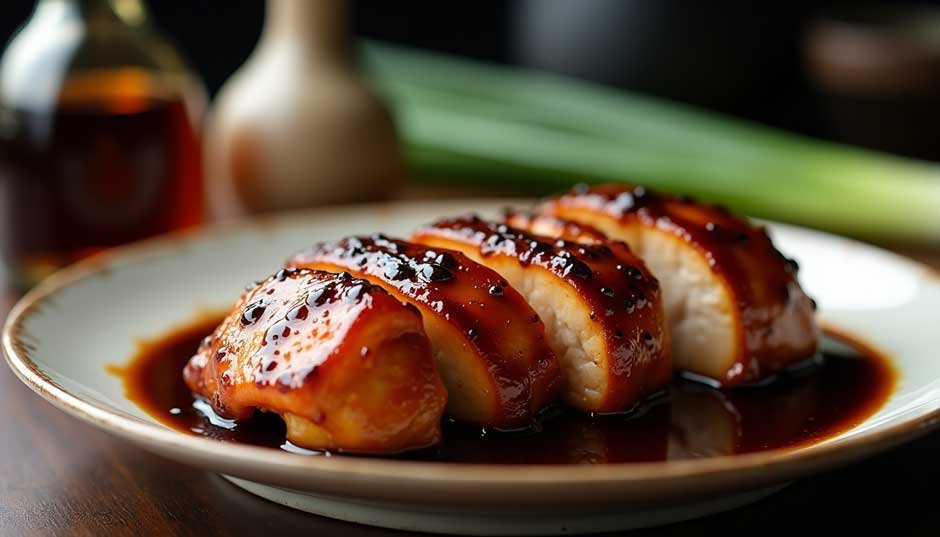
- Provides Luster and Sheen: Its sugar content, when heated, gives glazes and sauces a beautiful, appetizing shine. This is iconic in dishes like teriyaki, giving them their signature glossy appearance.
- Tenderizes and Penetrates: The alcohol content in true Mirin helps ingredients absorb flavors more effectively and can slightly tenderize meats, breaking down proteins for a more succulent texture.
- Masks Odors: Mirin is excellent at neutralizing strong odors from fish and game, such as the fishy smell of seafood, making dishes more palatable and aromatic.
- Prevents Crumbly Textures: In some preparations, especially those involving simmered or braised items, Mirin helps prevent ingredients from breaking apart during cooking, maintaining their integrity.
Understanding these characteristics reveals why Mirin is an indispensable ingredient in many Japanese kitchens, and why it's more than just a simple sweet additive. It’s a fundamental flavor builder.
Types of Mirin: Navigating the Supermarket Aisle
Just like there are different types of cooking wines around the world, Mirin also comes in a few variations. Knowing the difference is crucial for achieving the desired taste and authenticity in your dishes. Don't be fooled by labels; a quick glance at the ingredients list can tell you a lot about what you're buying. The subtle differences can significantly impact the final flavor of your culinary creations.
Hon Mirin (True Mirin)
This is the authentic, traditional form of Mirin. "Hon Mirin" translates directly to "true Mirin." It is made through a lengthy fermentation process using glutinous rice, rice koji, and shochu, and typically has an alcohol content of around 14%. This higher alcohol content means it's often sold in liquor stores rather than regular grocery aisles in some regions due to alcohol regulations. Hon Mirin offers the most complex and balanced flavor profile, with a natural sweetness and deep umami. It’s the preferred choice for traditional Japanese recipes where the nuanced, rich flavor is paramount and cannot be easily replicated.
Aji Mirin (Mirin-like Seasoning)
Also known as "Mirin-fu chomiryo" or "Mirin-type seasoning," Aji Mirin is the most common variety found in typical supermarket aisles globally. It has a significantly lower alcohol content (usually less than 1%) and a higher salt content. The reduced alcohol and increased salt content allow it to be sold as a cooking seasoning rather than an alcoholic beverage, thereby avoiding liquor taxes and making it more accessible. To compensate for the lack of depth from true fermentation and higher alcohol, Aji Mirin often contains added sugars (like corn syrup), vinegar, and other flavorings. While it provides sweetness and some Mirin-like qualities, it generally lacks the true complexity, depth, and umami richness of Hon Mirin.
Shin Mirin (New Mirin)
Shin Mirin is another alcohol-free alternative, boasting an alcohol content of less than 1%. It focuses heavily on sweetness, often containing a higher proportion of sugars and syrups compared to Hon Mirin. It's designed to mimic the sweetness of Mirin without the alcohol, making it suitable for those who wish to avoid alcohol in their cooking for dietary or personal reasons. However, like Aji Mirin, it typically falls short of the nuanced, well-rounded flavor profile of Hon Mirin and can sometimes taste overly sweet or less complex.
Practical Tip: Always check the label! If you're seeking authentic flavor for a Japanese dish or want the full benefits of Mirin, look for "Hon Mirin" with an alcohol content of around 14%. If you're using it for general cooking, stir-fries, or are sensitive to alcohol, Aji Mirin or Shin Mirin might be acceptable. Just be prepared for a slightly different taste outcome and consider adjusting other seasonings, especially if the substitute has added salt.
Cooking with Mirin: Beyond the Crossword Clue
Solving the sweet cooking wine crossword is just the beginning of your journey with Mirin. Integrating this versatile ingredient into your cooking can elevate a wide array of dishes, not just Japanese ones. Its unique blend of sweetness, umami, and tenderizing properties makes it a fantastic addition to various culinary applications, adding a professional touch to home cooking.
Enhancing Flavor and Texture
Mirin's role in the kitchen extends far beyond a simple sweetener. It's a flavor harmonizer and texture enhancer that can transform ordinary ingredients into something extraordinary:
- Teriyaki Sauce: Mirin is a cornerstone of classic teriyaki sauce, providing its characteristic sweet-savory balance and that desirable glossy finish. It helps the sauce cling beautifully to meats and vegetables.
- Marinades: Use Mirin in marinades for poultry, fish, or tofu. Its alcohol helps flavors penetrate deeper, while its sweetness and umami enrich the taste and help create a beautiful caramelization when cooked.
- Dressings and Sauces: A splash of Mirin can add depth and a touch of sweetness to salad dressings, dipping sauces, and glazes. It can balance acidity and bring a harmonious flavor.
- Nimono (Simmered Dishes): Many traditional Japanese simmered dishes (like braised vegetables or meat) rely on Mirin to balance soy sauce and dashi, creating comforting and profoundly flavorful broths and glazes.
- Sushi Rice: Mirin is often part of the seasoning mixture for sushi rice, contributing to its subtly sweet and vinegary flavor profile that perfectly complements raw fish.
- Stir-fries: Add Mirin to your stir-fry sauce for an extra layer of flavor, a beautiful sheen on your vegetables and proteins, and to help bind the sauce.
Mirin Substitutes (When You're Stuck Without It)
While Hon Mirin is ideal for authentic flavor, sometimes you find yourself in a pinch, or it's simply not available. If your recipe calls for Mirin and you don't have it, here are some viable substitutes, though it's important to remember that none will perfectly replicate its unique character and complex profile:
- Dry Sherry or White Wine + Sugar: For every tablespoon of Mirin, use 1 tablespoon of dry sherry or white wine mixed with 1/2 to 1 teaspoon of sugar. This approximates the alcohol and sweetness, but you might lose some umami.
- Sake + Sugar: Combine 2 parts sake with 1 part sugar (e.g., 2 tbsp sake + 1 tbsp sugar) to get closer to Mirin's profile. This is often the closest approximation in terms of alcohol and rice-based flavor.
- Rice Vinegar + Sugar: If you primarily need sweetness and a touch of acidity, mix 1 tablespoon of rice vinegar with 1/2 teaspoon of sugar for each tablespoon of Mirin. Be mindful that this won't offer the same umami depth or richness.
- Sugar Water + Dash of Soy Sauce: As a last resort, particularly if you need just a hint of sweetness and some color/umami for a simple glaze, you can use sugar dissolved in water with a tiny splash of soy sauce. This is the least ideal substitute for complex dishes.
Remember that substitutes will alter the final flavor slightly, but they can save a dish and still yield delicious results! If you're ever truly stuck on a culinary challenge, our guide Stuck on Sweet Cooking Wine Crossword? Get the Solution! might provide the inspiration you need.
Conclusion
The journey from a perplexing "Sweet cooking wine crossword" clue to discovering the versatile and flavorful world of Mirin is a rewarding one. While solving crosswords offers a fleeting moment of triumph, understanding the ingredients behind the clues enriches our culinary knowledge and expands our cooking horizons. Mirin, whether in its authentic Hon Mirin form or its more accessible Aji Mirin variations, is a power-packed ingredient that brings balance, shine, and deep flavor to countless dishes. So, the next time you encounter that familiar crossword clue, you'll not only have the answer ready – MIRIN – but you'll also possess a deeper appreciation for this sweet, essential cooking wine and its profound impact on Japanese and global cuisine. Why not try incorporating it into your next meal and experience its magic firsthand?